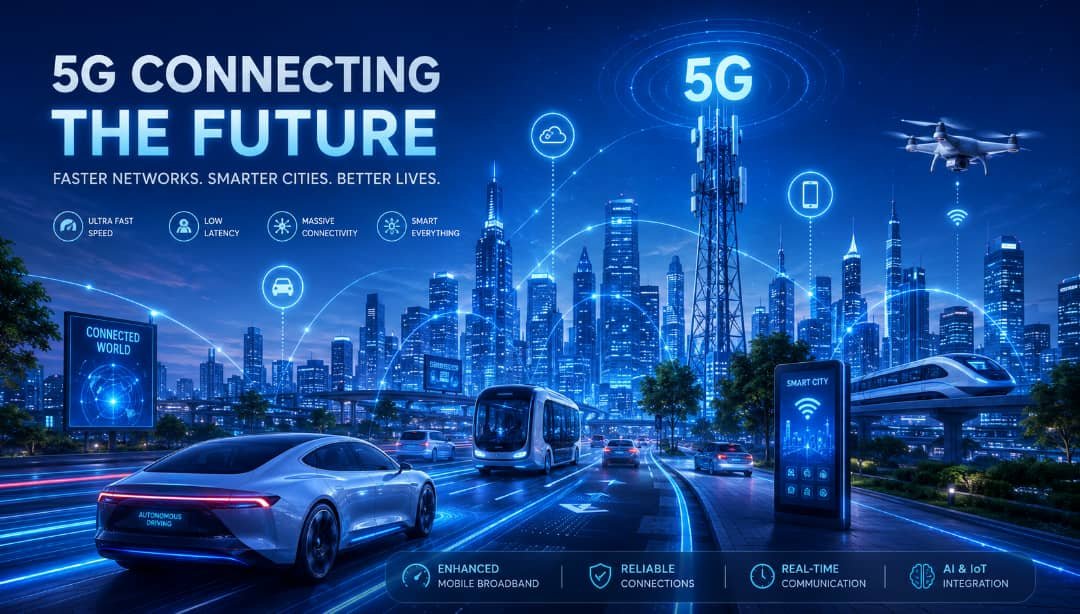
The future of connectivity is faster, smarter, and more connected than ever before.
5G technology continues to revolutionize internet connectivity across the world in 2026. Faster speeds, lower latency, and improved network reliability are transforming how people communicate, work, and access digital services daily.
Telecommunication companies are rapidly expanding 5G infrastructure to support growing demands for cloud computing, streaming, online gaming, and smart technologies. Consumers and businesses are experiencing major improvements in digital performance because of these advancements.
Faster Internet Speeds
One of the biggest benefits of 5G is significantly faster internet performance. Download and upload speeds are now much quicker than previous generations of mobile networks.
This improvement allows users to stream high-definition content, download large files instantly, and participate in smoother video conferences. Businesses relying on cloud applications also experience better operational efficiency.
Reduced Latency
Low latency is another important advantage of 5G technology. Reduced delay between devices and servers enables real-time communication and faster response times.
This is especially valuable for online gaming, virtual reality, and autonomous technologies that require immediate data processing. Gamers now enjoy more responsive multiplayer experiences with minimal lag.
Smart Cities and IoT Growth
5G is supporting the rapid development of smart cities and Internet of Things devices. Smart traffic systems, connected homes, and automated public services rely heavily on stable high-speed networks.
Cities are using connected sensors to improve transportation management, reduce energy waste, and enhance public safety. Businesses are also integrating IoT solutions into manufacturing and logistics operations.
Improved Remote Work and Education
The rise of remote work and online learning has increased the need for reliable internet connectivity. 5G networks provide stronger and more stable connections for virtual meetings, cloud collaboration, and online classes.
People in developing regions are also gaining better access to digital services through expanding 5G coverage.
Impact on Healthcare
Healthcare technology is also benefiting from 5G advancements. Telemedicine services now provide smoother video consultations and faster data sharing between medical professionals.
Remote monitoring devices connected through 5G help doctors track patient conditions more accurately and efficiently.
Future Challenges
Despite its advantages, 5G still faces challenges such as infrastructure costs, network coverage limitations, and cybersecurity concerns. Governments and technology companies continue working together to improve accessibility and strengthen network security.
Environmental concerns regarding energy consumption and electronic waste are also part of ongoing industry discussions.
Conclusion
5G technology in 2026 is transforming digital communication, business operations, entertainment, and smart infrastructure globally. Faster internet speeds and improved connectivity are creating new opportunities for innovation and economic growth. As network expansion continues, 5G will remain one of the most important technological advancements shaping the future of the digital world.
The Author
Olu-Tope Abraham — is a writer, editor and developer at Toplinks Techs a technology-focused platform dedicated to delivering premium updates on smartphones, gadgets, AI innovations, software, digital trends and future technology. The platform provides insightful reviews, buying guides, tutorials and tech news designed for modern digital audiences.